


Polyethylene tarps are a staple in various industries, known for their versatility and durability. As a leading polyethylene tarps supplier, I've witnessed firsthand the diverse applications of these tarps and the importance of their impact resistance. In this blog, we'll delve into what impact resistance means for polyethylene tarps, why it matters, and how it affects their performance in different scenarios.
Understanding Impact Resistance
Impact resistance refers to a material's ability to withstand sudden forces or blows without breaking, tearing, or deforming significantly. For polyethylene tarps, this characteristic is crucial as they are often exposed to various physical stresses in real - world applications. Whether it's being hit by falling debris on a construction site, buffeted by hailstones during a storm, or rubbed against rough surfaces during transportation, a tarp's impact resistance determines its longevity and effectiveness.
The impact resistance of polyethylene tarps is influenced by several factors. Firstly, the thickness of the tarp plays a significant role. Thicker tarps generally have better impact resistance because they can absorb more energy from an impact. A heavier - gauge polyethylene tarp will be less likely to puncture or tear when struck by a hard object compared to a thinner one.
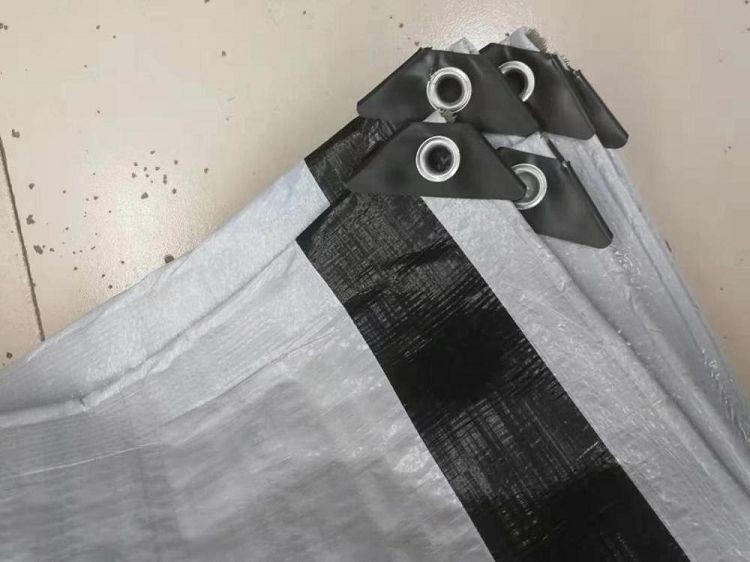

Secondly, the quality of the polyethylene resin used in manufacturing matters. High - quality resins are formulated to have better molecular structure and properties, which contribute to enhanced impact resistance. These resins can better distribute the force of an impact across the tarp, reducing the likelihood of localized damage.
Thirdly, the manufacturing process can affect impact resistance. Tarps that are produced using advanced techniques, such as extrusion or lamination, tend to have more uniform thickness and better overall strength, which in turn improves their ability to resist impacts.
Importance of Impact Resistance in Different Applications
Construction Sites
On construction sites, polyethylene tarps are used for a variety of purposes, such as covering building materials, protecting unfinished structures from the elements, and providing temporary barriers. They are constantly at risk of being damaged by falling tools, debris, or construction equipment. A tarp with high impact resistance can prevent costly damage to the covered materials and ensure that the construction process proceeds smoothly. For example, if a tarp is covering a pile of lumber and a hammer accidentally falls on it, a tarp with good impact resistance will prevent the hammer from puncturing the tarp and damaging the lumber underneath.
Agriculture
In the agricultural sector, polyethylene tarps are used to cover hay bales, protect crops from harsh weather conditions, and line irrigation ditches. Hailstorms can pose a significant threat to these tarps. A tarp with strong impact resistance can withstand the impact of hailstones, protecting the hay or crops beneath it. This not only saves farmers from potential losses but also reduces the need for frequent tarp replacements.
Transportation
During transportation, polyethylene tarps are used to cover goods on trucks, trailers, and ships. They are exposed to wind, rain, and potential impacts from road debris or other vehicles. A tarp with high impact resistance can prevent damage to the covered goods, ensuring that they arrive at their destination in good condition. For instance, if a pebble is kicked up by a passing vehicle and hits the tarp covering a load of furniture, a tarp with good impact resistance will prevent the pebble from causing a tear that could expose the furniture to the elements.
Measuring Impact Resistance
There are several methods to measure the impact resistance of polyethylene tarps. One common method is the drop - weight test. In this test, a weighted object is dropped from a specific height onto the tarp. The height and weight of the object are adjusted based on the expected impact conditions in real - world use. The tarp is then inspected for damage, such as punctures or tears. The ability of the tarp to withstand the impact without significant damage indicates its impact resistance.
Another method is the pendulum impact test. In this test, a pendulum is swung against the tarp, simulating a sudden impact. The energy absorbed by the tarp during the impact is measured, and this value is used to evaluate the tarp's impact resistance.
Our Polyethylene Tarps and Impact Resistance
As a polyethylene tarps supplier, we take pride in offering tarps with excellent impact resistance. Our White Poly Tarps are made from high - quality polyethylene resin and are available in various thicknesses. The thicker options provide superior impact resistance, making them suitable for demanding applications such as construction and heavy - duty transportation.
Our Waterproof Plastic Tarp is not only waterproof but also designed to resist impacts. The manufacturing process ensures a uniform thickness and high - strength structure, which enhances its ability to withstand sudden forces. Whether it's protecting goods from the elements or withstanding the impact of falling objects, our waterproof plastic tarps are up to the task.
Our Poly Tarp Cover is another product that boasts excellent impact resistance. It is engineered to be durable and long - lasting, making it a reliable choice for a wide range of applications. The cover can protect equipment, vehicles, and other valuable items from impacts, scratches, and environmental damage.
Choosing the Right Polyethylene Tarp Based on Impact Resistance
When choosing a polyethylene tarp, it's important to consider the specific impact conditions it will be exposed to. If you're using the tarp in a high - risk environment, such as a construction site or an area prone to hailstorms, you'll want to opt for a thicker and more impact - resistant tarp. On the other hand, if the tarp will be used in a relatively low - impact environment, such as covering a small garden tool shed, a thinner tarp may be sufficient.
It's also important to consider the other properties of the tarp, such as waterproofness, UV resistance, and tear strength. A tarp that combines good impact resistance with these other properties will provide better overall performance and protection.
Contact Us for Your Polyethylene Tarp Needs
If you're in the market for high - quality polyethylene tarps with excellent impact resistance, look no further. As a trusted polyethylene tarps supplier, we have a wide range of products to meet your specific requirements. Whether you need a large - scale tarp for industrial use or a smaller one for personal projects, we can provide you with the right solution.
Contact us today to discuss your polyethylene tarp needs. Our team of experts is ready to assist you in choosing the best tarp for your application and to provide you with competitive pricing and excellent customer service. Let's work together to find the perfect polyethylene tarp for your next project.
References
- ASTM International. (20XX). Standard test methods for impact resistance of plastic sheeting.
- Plastics Industry Association. (20XX). Technical guide to polyethylene materials and products.