


Hey there! As a supplier of Polyethylene Tarps, I often get asked if these tarps can be used for greenhouse construction. Well, let's dive right into it and explore this topic in detail.
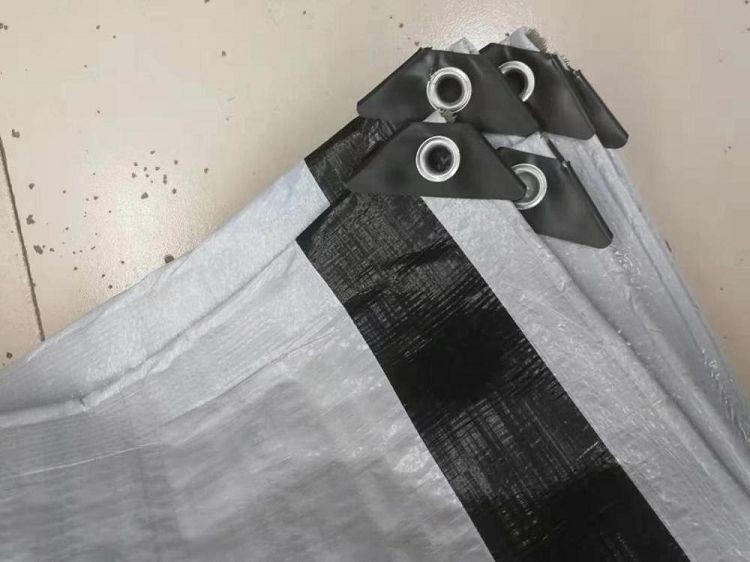
First off, what are polyethylene tarps exactly? Polyethylene tarps are made from a synthetic polymer called polyethylene. They come in various thicknesses, sizes, and colors, offering a wide range of options for different applications. One of the great things about polyethylene tarps is their versatility. They're durable, waterproof, and resistant to UV rays, which makes them a popular choice for many outdoor uses.
Now, let's talk about using these tarps for greenhouse construction. Greenhouses are structures designed to create a controlled environment for plants to grow. They need to provide the right amount of light, heat, and protection from the elements. So, can polyethylene tarps meet these requirements?
Advantages of Using Polyethylene Tarps for Greenhouse Construction
Cost - Effective
One major advantage is the cost. Polyethylene tarps are generally much cheaper than traditional greenhouse materials like glass or polycarbonate. If you're on a tight budget, using Polyethylene Tarps can save you a significant amount of money. You can get a large - sized tarp at a fraction of the cost of building a glass greenhouse.
Easy Installation
Installing a polyethylene tarp is a breeze. You don't need any specialized tools or skills. All you need is some basic hardware like ropes, clips, or stakes. You can quickly put up a tarp greenhouse on your own, which saves both time and labor costs. This is especially great for small - scale gardeners or hobbyists who want to set up a greenhouse without a lot of hassle.
Light Transmission
Polyethylene tarps can be designed to allow a good amount of light to pass through. This is crucial for plant growth as plants need sunlight for photosynthesis. Some tarps are made with special coatings or additives that optimize light diffusion, providing a more even distribution of light inside the greenhouse. This helps prevent hotspots and ensures that all plants receive adequate light.
Flexibility
Tarps are flexible and can be easily shaped to fit different greenhouse designs. Whether you want a simple hoop - style greenhouse or a more complex structure, polyethylene tarps can be customized to your needs. You can cut them to size, fold them, or join multiple tarps together to create a larger covering.
UV Resistance
Most high - quality polyethylene tarps are treated to resist UV rays. This is important because prolonged exposure to sunlight can cause the material to degrade over time. With UV - resistant tarps, you can ensure that your greenhouse covering will last for several seasons, protecting your plants from the harsh sun while maintaining its integrity.

Disadvantages of Using Polyethylene Tarps for Greenhouse Construction
Durability
While polyethylene tarps are durable, they may not last as long as glass or polycarbonate. Over time, they can be damaged by strong winds, hail, or sharp objects. However, if you choose a heavy - duty tarp and take proper care of it, you can extend its lifespan. For example, you can reinforce the edges and corners of the tarp to make it more resistant to wear and tear.
Insulation
Polyethylene tarps may not provide as good insulation as some other materials. In colder climates, heat can escape more easily through the tarp, which means you may need to use additional heating sources to keep the greenhouse warm. On the other hand, in hot climates, the tarp may not block out enough heat, causing the temperature inside the greenhouse to rise too high.
Condensation
Condensation can be an issue with polyethylene tarps. When warm, moist air inside the greenhouse comes into contact with the cooler tarp surface, water droplets form. This can lead to problems like mold growth and reduced light transmission. To combat this, you can install proper ventilation systems to reduce humidity levels inside the greenhouse.
Types of Polyethylene Tarps for Greenhouse Construction
Clear Polyethylene Tarps
Clear tarps allow maximum light transmission, which is great for plants that need a lot of sunlight. They're ideal for starting seedlings or growing plants that thrive in bright conditions. You can find clear Poly Tarp Cover in different thicknesses, depending on your specific requirements.
White Poly Tarps
White Poly Tarps are also a popular choice. They diffuse light more evenly, reducing the risk of hotspots and providing a more consistent growing environment. White tarps can also reflect some sunlight, which can help keep the greenhouse cooler in hot weather.
Tips for Using Polyethylene Tarps in Greenhouse Construction
Choose the Right Tarp
Make sure to select a tarp that is thick enough for your needs. A heavier - duty tarp will be more durable and better able to withstand the elements. Consider the size of your greenhouse and the local climate when choosing a tarp.
Proper Installation
Ensure that the tarp is installed tightly and securely. Use ropes or clips to fasten the tarp to the frame, and make sure there are no loose areas where wind can get under the tarp and cause damage.
Maintenance
Regularly inspect the tarp for any signs of damage, such as tears or holes. Patch any small holes immediately to prevent them from getting bigger. Clean the tarp periodically to remove dirt and debris, which can block light and reduce its effectiveness.
In conclusion, polyethylene tarps can definitely be used for greenhouse construction. They offer many advantages, especially in terms of cost, ease of installation, and flexibility. While they do have some drawbacks, with proper selection, installation, and maintenance, they can provide a great solution for creating a functional and cost - effective greenhouse.
If you're interested in purchasing polyethylene tarps for your greenhouse project, I'd love to help you out. We offer a wide range of high - quality tarps at competitive prices. Whether you need a small tarp for a backyard greenhouse or a large one for a commercial operation, we've got you covered. Just reach out to us, and we can discuss your specific requirements and find the perfect tarp for you.
References
- "Greenhouse Gardening Basics" by Smith, John. Published by Green Thumb Press.
- "Polyethylene Tarps: Properties and Applications" by Johnson, Mary. Journal of Material Science, Vol. 25, Issue 3.