


Hey there! As a supplier of White Poly Tarps, I often get asked a bunch of questions about these tarps. One of the most common ones is, "Are white poly tarps resistant to saltwater?" Let's dive right into this topic and find out the answer.
First off, let's talk a bit about what white poly tarps are. They're made from polyethylene, a type of plastic that's known for being strong and durable. These tarps come in handy for all sorts of things, like covering boats, protecting outdoor equipment, or even as temporary shelters. And the white color isn't just for looks; it can reflect sunlight, which helps keep things under the tarp cooler.

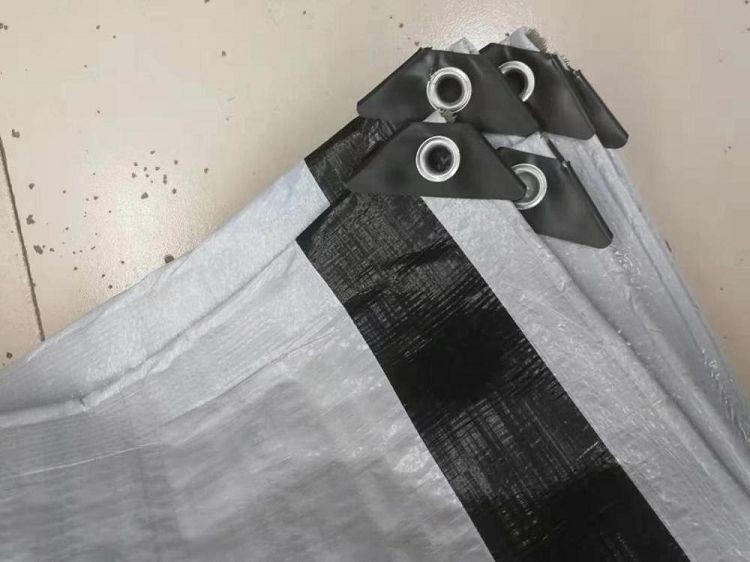
Now, let's get to the main question: saltwater resistance. Saltwater is a tricky customer. It's not just water; it's got a whole bunch of salt and other minerals in it. These can be pretty corrosive and can damage all sorts of materials over time. So, how do white poly tarps hold up?
Well, polyethylene is naturally somewhat resistant to saltwater. The chemical structure of polyethylene makes it a bit of a tough nut to crack for the corrosive elements in saltwater. When saltwater comes into contact with a white poly tarp, it doesn't immediately start eating away at the material. The tarp forms a bit of a barrier, preventing the salt and other minerals from quickly penetrating and causing damage.
But that doesn't mean white poly tarps are completely invincible against saltwater. Over a long period, especially if the tarp is constantly exposed to saltwater, there can be some wear and tear. The salt can gradually break down the surface of the polyethylene, making it more brittle and less flexible. You might start to notice some small cracks or a loss of strength in the tarp.
There are a few factors that can affect how well a white poly tarp resists saltwater. One of them is the quality of the tarp. Higher-quality white poly tarps are usually made with better-grade polyethylene and might have additional coatings or treatments that enhance their saltwater resistance. So, if you're planning to use a white poly tarp in a saltwater environment, it's worth investing in a good-quality one.
Another factor is how the tarp is used. If the tarp is just getting a little splash here and there from saltwater, it'll probably last a lot longer than if it's completely submerged in saltwater for extended periods. For example, if you're using a white poly tarp to cover a boat that's sitting in a saltwater marina, it'll be exposed to salt spray and occasional splashes. As long as you keep the tarp clean and dry when it's not in use, it should hold up pretty well.
On the other hand, if you're using the tarp to line a saltwater pond or something like that, where it's constantly in contact with saltwater, you might need to replace it more often. The constant exposure to the saltwater will speed up the deterioration process.
So, what can you do to make your white poly tarp last longer in a saltwater environment? One thing is to rinse it off with fresh water after it's been exposed to saltwater. This helps remove the salt and other minerals that can cause damage. You can also store the tarp in a dry place when it's not in use. Keeping it out of direct sunlight and away from moisture will also help extend its lifespan.
Now, let's compare white poly tarps with some other types of tarps when it comes to saltwater resistance. Blue Poly Tarp is another popular option. Like white poly tarps, blue poly tarps are also made from polyethylene, so they have similar saltwater resistance properties. The main difference between the two is usually just the color. The blue color might absorb more sunlight, which could potentially make the tarp a bit warmer under the sun, but in terms of saltwater resistance, they're pretty much on par.
Heavy Duty Plastic Tarp is another alternative. These tarps are often thicker and more durable than regular white poly tarps. They might have a better chance of withstanding long-term exposure to saltwater. However, they can also be more expensive. So, it really depends on your specific needs and budget.
In conclusion, white poly tarps do have a decent level of resistance to saltwater. They're a good option for many saltwater applications, especially if you take proper care of them. But if you need a tarp that can handle constant, long-term exposure to saltwater, you might want to consider a heavy-duty plastic tarp or look for a white poly tarp with extra saltwater-resistant features.
If you're in the market for a white poly tarp, whether it's for a saltwater application or something else, we've got you covered. We offer a wide range of high-quality white poly tarps at competitive prices. Our team is always ready to answer any questions you might have and help you find the perfect tarp for your needs. So, if you're interested in learning more or making a purchase, don't hesitate to reach out. We're here to make sure you get the best tarp for your project.
References
- General knowledge about polyethylene and its properties
- Industry experience in supplying white poly tarps